
The Legal Status of Virtual Betting Platforms in Peru

As online gambling continues to grow in Peru, more players are turning to virtual betting platforms. These platforms offer convenience and accessibility, but many users still have questions about their legality. Understanding the current legal framework helps both players and operators make informed decisions.

Peru’s Online Gambling Market Is Expanding Rapidly

In recent years, Peru has seen a surge in digital betting activity. Players are placing wagers through mobile apps and websites that offer casino games, sports betting, and digital slots. This increase in participation has drawn attention from government agencies and legal experts.

The growth of online betting has outpaced traditional regulation. Many of the laws that govern casinos were written for physical venues, not for web-based platforms. As a result, virtual betting exists in a legal space that continues to evolve.

The 2022 Gambling Law Established Digital Oversight

In 2022, Peru passed Law No. 31557, which created a legal framework for online gambling. The law regulates virtual casinos, sports betting websites, and related digital gaming services. It places responsibility on operators to register, pay taxes, and follow consumer protection rules.

Operators must now hold a license from the Ministry of Foreign Trade and Tourism (MINCETUR). The law outlines technical requirements, payment processing rules, and penalties for non-compliance. It also aims to prevent fraud and protect underage users.

Operators Must Register With MINCETUR

One of the key legal requirements is that all virtual betting platforms must register with MINCETUR. This registration confirms that a platform meets national standards for fairness, transparency, and security. Platforms that operate without a license may face fines or be blocked from access in Peru.

A player logging into an unregistered site may not receive the same level of protection. If there’s a dispute over winnings or account activity, unlicensed platforms are not bound by Peruvian regulations. Registered platforms offer more safety for players.

Taxes Apply to Both Operators and Winnings

Law No. 31557 introduced a tax system for the virtual gambling sector. Operators must pay a 12% tax on their net revenue from Peruvian users. This revenue goes toward social programs, tourism, and infrastructure development.

In addition to business taxes, players must report gambling winnings as part of personal income. While enforcement is still developing, the law gives SUNAT (Peru’s tax agency) authority to oversee financial reporting for digital gambling activity.

Consumer Protections Are Part of the Legal Framework

The Peruvian government has included user protection in its online gambling law. Licensed platforms must offer tools such as deposit limits, session time warnings, and self-exclusion options. These features aim to reduce the risk of addiction and financial harm.

For example, if a player chooses to set a monthly deposit limit, the platform must honor it. These tools are mandatory under the law and reflect a broader push for responsible gambling. Platforms that fail to provide them can lose their license.

Enforcement Targets Illegal and Offshore Sites

Many online betting platforms that operate in Peru are hosted outside the country. These offshore sites often do not follow Peruvian laws, making them a risk to users. The government now works with internet service providers to block access to illegal platforms.

If a site is not licensed under Peruvian law, it may be added to a national blocklist. Players using these sites could lose access to their accounts without warning. Choosing a legal, local provider reduces that risk and ensures protection under domestic law.

Advertising and Promotions Are Subject to Regulation

Under the 2022 law, digital gambling platforms must follow strict rules when marketing to users in Peru. Advertisements cannot target minors or promote gambling as a guaranteed way to make money. Platforms must display age restrictions and responsible gaming messages.

Violations of these rules can lead to fines, license suspension, or public warnings. The regulation of promotions helps reduce misleading offers and encourages ethical practices in the online betting industry.

Payments Must Go Through Approved Channels

All licensed betting platforms in Peru must use verified financial institutions to process payments. This rule protects users from fraud and ensures transparency in transactions. It also gives regulators a way to track revenue and prevent money laundering.

A player using a legal site can fund their account using trusted tools like bank transfers or verified digital wallets. If the platform uses unknown or offshore processors, it may be in violation of Peruvian law and could be subject to penalties.

The Legal Age for Online Gambling in Peru Is 18

The legal gambling age in Peru is 18, and this applies to both physical and digital platforms. Licensed operators must verify the age of each user before allowing account creation. This process may include identity verification using national ID numbers or digital checks.

Any platform that fails to verify age risks losing its license. Users who lie about their age may have their accounts suspended. The age restriction is a key part of Peru’s responsible gaming policies and enforcement efforts.

Future Changes May Expand Oversight

While Peru’s current laws represent a significant step forward, regulators continue to study the industry. Future updates may include stricter tax reporting, expanded licensing categories, or improved player support services. Lawmakers are also reviewing how to regulate newer gambling formats such as cryptocurrency-based betting.

As the digital gambling market evolves, Peru’s legal framework will likely continue to adapt. Players and operators should stay informed about changes to remain compliant and protected.
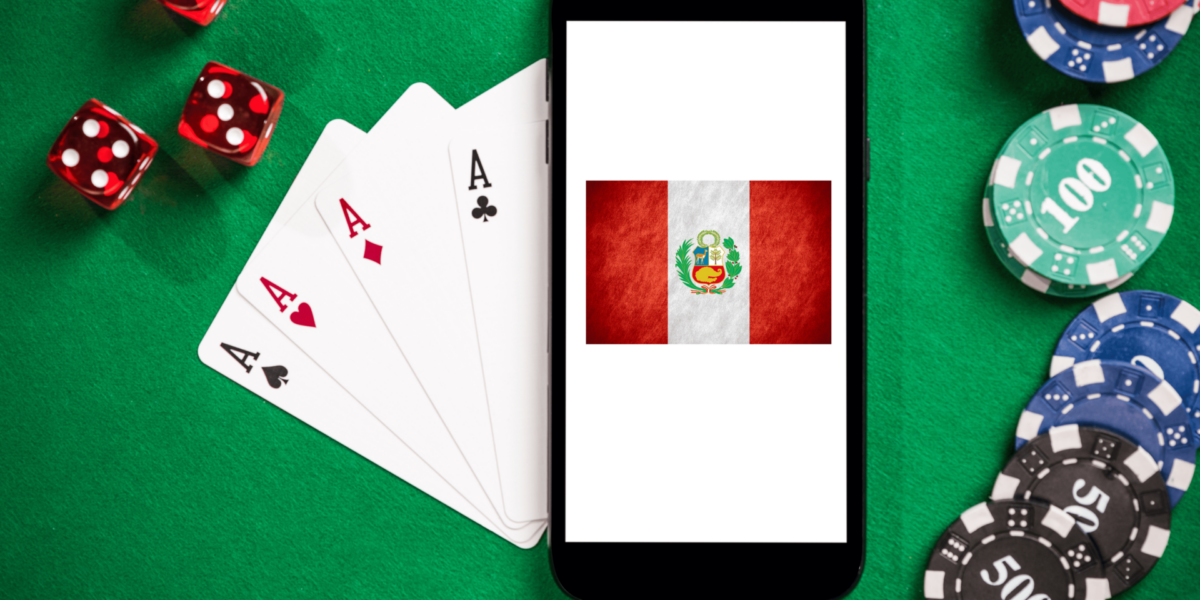

How Online Casinos Are Reshaping Peru’s Gambling Culture

Online casinos are changing how people in Peru approach gambling. What was once centered around physical casinos is now shifting into apps, mobile platforms, and web-based games. This shift is influencing social habits, economic behavior, and public attitudes toward risk and entertainment.

Digital Gambling Redefines Accessibility in Peru

The spread of online casinos has made gambling more accessible to people across Peru. Mobile devices and internet access allow users to play anytime, anywhere. This expansion removes the need to visit physical venues and opens gambling to a broader audience.

A player in a remote area who didn’t have access to a casino can now log in from a smartphone and place bets in real time. This ease of access introduces gambling into daily routines and increases exposure, especially in younger, mobile-first populations.

Traditional Casino Visits Decline as Apps Take Over

Online platforms are drawing attention away from land-based casinos. While physical venues still offer social interaction, many players now choose the speed and privacy of online gambling. This shift reduces foot traffic in traditional casinos and moves revenue toward digital services.

A player in Lima may skip a trip to the casino and instead open an app from home. They can join a live dealer game or spin virtual slots with minimal effort. This change affects how people view gambling—not as an event, but as an everyday option.

Mobile Use Drives Higher Gambling Frequency

Smartphones have become the main tool for gambling in Peru. Players engage with digital casinos during short breaks or while multitasking. These quick sessions may seem low-risk, but over time, they add up to longer play and increased spending.

A user might open a betting app several times a day without setting limits. The casual format hides the full scope of engagement. This pattern shifts gambling from a planned activity to a background habit that influences daily life.

Local Platforms Reflect Regional Preferences

Peruvian gambling platforms are tailoring their games and offers to match local interests. From Peruvian-themed slots to Spanish-language support and native payment options, these platforms are customizing the experience to build loyalty and relevance.

A player may choose a site that accepts their preferred bank or digital wallet and features content they recognize. This regional customization helps local brands compete with global platforms by creating a more familiar user experience.

Promotions and Bonuses Shape User Behavior

Online casinos in Peru frequently offer welcome bonuses, free spins, and loyalty rewards. These offers drive initial sign-ups and encourage repeat play. Over time, they influence how users think about value and risk.

A player who receives a bonus may stay on the platform longer than intended, aiming to reach payout requirements. This behavior reinforces engagement patterns that extend beyond the original intent. Bonuses become a tool for habit formation and user retention.

Gambling Habits Shift From Social to Private

In traditional settings, gambling often involves friends or groups. Online gambling, however, is usually a solo activity. Players interact with the platform rather than other people, which changes the emotional dynamics and level of accountability.

A user may gamble privately from a bedroom, without anyone else knowing. This isolation can lead to higher spending and longer sessions, as there are fewer cues to stop. The private nature of digital gambling reshapes how users manage their time and money.

Youth Participation Grows With Mobile Access

Young adults are entering Peru’s gambling scene through mobile-first platforms. Unlike older players who started in casinos, younger users often begin with apps and social media promotions. This trend introduces gambling behavior at an earlier age.

A player in their early 20s may see an ad during a mobile game and follow the link to a betting app. With a few clicks, they’re placing their first bet. This early exposure, if unchecked, shapes long-term habits and expectations about risk.

Social Media Marketing Targets Mobile Gamblers

Online casinos use targeted advertising on social media to reach Peruvian audiences. These ads promote bonuses, sports betting odds, or new games. Algorithms ensure that users who click once are likely to see more gambling content in their feeds.

A user who visits a casino site may start receiving related content across platforms. These constant reminders increase the chance of return visits and impulse play. Social media becomes a key driver of engagement and revenue.

Regulation Struggles to Match Industry Growth

While online casinos grow quickly, Peru’s regulatory systems are still adapting. Laws built for physical venues do not always apply to digital platforms. This gap creates confusion about user protections, fair play, and platform accountability.

Some platforms operate without clear licenses or oversight. Players may not know which sites are safe or legitimate. To maintain user trust and public safety, Peruvian authorities are working to update gambling laws to include online operations.

Responsible Gambling Tools Are Still Underused

Many platforms offer tools like deposit limits, time trackers, and self-exclusion options. However, most players don’t activate them. Without active safeguards, users are more likely to overspend or lose track of their activity.

A player might gamble for hours without realizing how much they’ve wagered. Platforms that highlight responsible gaming features and prompt users to set limits can reduce harm and promote long-term trust.

From Lima to the Cloud: The Rise of Digital Gambling Platforms

Peru’s gambling industry has undergone a major shift. What once required visiting a physical casino now happens on screens and in mobile apps. The rise of digital gambling platforms, especially in Lima, reflects broader changes in how people access games, place bets, and engage with virtual entertainment.

Digital Platforms Replace Traditional Casino Spaces

In recent years, online casinos have started to replace physical gambling venues. While land-based casinos still exist, more players now choose digital options for convenience and accessibility. These platforms offer slot games, poker, roulette, and sports betting—all through phones or computers.

A player in Lima may log into a casino app after dinner. With a few taps, they can enter a live dealer room or spin a digital slot machine. There’s no need to visit a building, show ID at the door, or wait in line. Everything happens in the cloud, in real time.

Internet Access Fuels the Growth of Online Gambling

Wider internet access in Peru has made it easier for people to participate in online gambling. In cities like Lima, stable Wi-Fi and mobile networks allow users to connect from anywhere. This shift removes physical and financial barriers that once limited casino access.

For someone working long hours or living outside central districts, online platforms provide an entry point. With prepaid data and budget smartphones, users can gamble without needing high-end technology or large amounts of time.

Mobile Devices Increase Gambling Frequency

Smartphones have become the main access point for digital gambling in Peru. Mobile apps and browser-based games allow users to gamble during short breaks, while commuting, or at home. This mobility increases how often people play, even if sessions are brief.

In a typical case, a commuter in Lima may play a few rounds of blackjack on their way to work. Later in the day, they might return to the app while waiting for dinner. These small sessions add up, creating more engagement and more spending.

Local Platforms Compete with International Brands

As Peru’s online gambling scene grows, both local and international companies are competing for users. Peruvian platforms often focus on local payment methods and promotions. Global brands, on the other hand, bring broader game libraries and bigger jackpots.

A player might compare platforms and notice that a local site accepts direct bank transfers or digital wallets popular in Peru. This small detail can determine where the player registers and how long they stay. Customization for local preferences becomes a competitive advantage.

Payment Technology Simplifies Deposits and Withdrawals

Digital gambling platforms depend on secure, fast payment systems. In Peru, many platforms now integrate with mobile banking apps, debit cards, and local fintech tools. These systems allow players to deposit funds in seconds and withdraw winnings without leaving home.

For instance, a player might use a local app like Yape or Plin to fund their account. There’s no need for cash or credit cards. This ease of use makes gambling more accessible and encourages repeat play, even for users with limited financial experience.

Game Variety and Personalization Keep Players Returning

Modern gambling platforms in Peru offer a wide variety of games and features. From sports betting to themed slots, users can choose their preferred experience. Platforms track behavior and use it to recommend games, promotions, or tournaments.

If a user plays mostly roulette, the app may place roulette tables at the top of their screen. Personalized suggestions make the interface feel tailored, which increases time spent on the platform. More time leads to higher retention and more revenue for operators.

Marketing Strategies Target Peru’s Mobile-First Users

Gambling platforms in Peru invest in mobile-focused marketing. Ads appear on social media, mobile games, and even messaging apps. These promotions highlight welcome bonuses, free spins, or limited-time events to attract new players.

A user scrolling through their feed might see a banner ad offering 100 soles in bonus credit. Clicking the ad leads directly to account setup. The entire funnel—from interest to registration—happens in under five minutes, which increases sign-up rates.

Cloud Infrastructure Supports Game Stability and Speed

Behind every online gambling session is cloud-based infrastructure. These systems support game servers, payment security, user accounts, and real-time communication. In Peru, cloud adoption has helped platforms scale quickly and provide smooth, fast gameplay.

A user playing from Lima expects slot reels to spin without delay and tables to load instantly. Without strong cloud systems, these games would lag or crash. Platforms that invest in infrastructure can support more users with fewer issues, creating a better experience.

Regulatory Changes Aim to Protect Users

As online gambling grows in Peru, government agencies have begun to develop regulations to guide platform behavior and protect consumers. These rules may include license requirements, data protection laws, and responsible gaming policies.

A regulated platform must offer tools like deposit limits, account activity reports, and warnings after long sessions. These protections create trust among users and discourage illegal or unregulated operators from entering the market.

Responsible Gaming Tools Gain Importance

With more people gambling online, concerns about addiction and overspending increase. Leading platforms now include tools that help users control their behavior. These features include self-exclusion, cooling-off periods, and spending caps.

A player in Lima who wants to limit spending can set a weekly budget inside the app. If they reach the limit, they receive a message and are locked out of certain features. These small actions reduce risk and build healthier gaming habits.

How Mobile Play Is Changing the Casino Landscape in Peru

The rise of mobile gaming is reshaping how people in Peru engage with casino platforms. As smartphones become more common, online gambling shifts from desktop screens to mobile devices. This change affects player behavior, access, and the broader structure of Peru’s digital gambling industry.

Mobile Access Expands Casino Availability Across Peru

Smartphone use in Peru continues to grow, especially among younger users and urban residents. This increase in mobile access has made casino games more available at any time and from any location. Mobile casinos allow players to engage without needing a desktop or visiting a physical venue.

In a realistic scenario, a player in Cusco opens a casino app during a lunch break. They place bets within seconds, with no need to download software or log into a website. This ease of use expands participation across regions and age groups.

On-the-Go Play Encourages Shorter, More Frequent Sessions

Unlike traditional gambling sessions that last for hours, mobile play encourages short bursts of activity throughout the day. Players no longer need to set aside large chunks of time—they can now place bets while commuting, waiting in line, or during brief breaks.

A user might spin a slot game for five minutes while riding the bus in Lima. These micro-sessions happen more often, increasing total engagement over time. The frequency of play goes up, even if each session seems small.

In-App Promotions Drive Continued Player Engagement

Mobile casino apps in Peru use in-app notifications, daily rewards, and timed bonuses to draw players back. These features rely on behavioral nudges that prompt users to return frequently and maintain activity.

For instance, a player receives a push notification about a time-limited bonus while scrolling their phone in the evening. The notification leads them back into the app, even if they hadn’t planned to play. These subtle strategies increase retention and deepen user habits.

Mobile Design Prioritizes Fast Load Times and Game Flow

Casino platforms built for mobile prioritize speed and simplicity. Load times are faster, interfaces are streamlined, and buttons are larger for thumb navigation. These features reduce barriers and keep users focused on the game itself.

A player in Arequipa can access a blackjack game that loads in seconds, with minimal buffering and no need for long menus. That smooth experience encourages longer engagement because there are fewer friction points between interest and action.

24/7 Availability Removes Natural Stopping Points

Physical casinos have opening and closing hours, and even desktop users often pause between sessions. Mobile play, however, removes these natural breaks. Players can access games at any hour, which increases the risk of impulsive or extended play.

A person might log in at midnight simply because the app is within reach. Without built-in time constraints, the line between casual entertainment and risky behavior becomes harder to manage. This shift in access changes how people manage their time and spending.

Regional Access Creates Growth in Remote Areas

Before mobile access, casino gaming required either physical travel or desktop internet. Now, mobile play reaches Peru’s rural and remote areas, where internet infrastructure may be limited. As long as a user has a data connection, they can play from anywhere.

This change has increased casino participation in smaller towns and regions outside Lima. A player in Puno, for example, can participate in live dealer games with the same ease as someone in the capital. This broader access supports industry growth across the country.

Payment Integration Speeds Up Deposits and Withdrawals

Mobile casinos in Peru are integrating local payment platforms to streamline financial transactions. Users can fund their accounts using mobile wallets, online banking, and even prepaid phone credits in some cases. This convenience reduces the effort required to start or continue playing.

A user might top up their balance through a banking app in seconds. The simplicity of this process encourages repeat play because players don’t face delays or complications when handling money. Easy access to funds changes how risk and reward are managed.

Personalized Experiences Keep Players Invested

Mobile apps use data to customize content for each player. Games, offers, and features are recommended based on previous behavior. This personalized experience makes the casino feel more tailored and reduces the need for players to search for options.

If a player often chooses roulette, their app homepage might display roulette variants and live tables. This tailored experience keeps them active within the app and lowers the chance they’ll explore competitors or leave altogether.

Mobile Play Drives New Game Formats and Innovation

The mobile-first trend is pushing casino developers to create games specifically for touch screens. These games often feature shorter rounds, vertical layouts, and swipe-based mechanics. These changes reflect how users interact with smartphones and enhance usability.

A slot game designed for mobile might have one-touch spin controls and simplified visuals. These design shifts allow games to perform better on limited data plans and smaller screens, making them more appealing in diverse markets like Peru.

Regulation Struggles to Keep Up with Mobile Expansion

As mobile gambling grows quickly, Peru’s legal and regulatory systems are working to catch up. Ensuring fair play, responsible gaming, and consumer protection on mobile platforms presents new challenges. Regulators must adapt policies that once focused on physical casinos or desktop websites.

Without clear mobile guidelines, enforcement can be inconsistent. A player may encounter games that do not follow standard fairness rules, or apps that lack limits on spending. The rapid pace of mobile adoption creates a gap that needs urgent attention from regulatory bodies.

Virtual Tables, Real Thrills: Exploring Live Dealer Gaming

Live dealer games have become a leading feature in online casinos. These games bring the experience of a physical casino to players at home. With real-time video streaming, players interact with professional dealers and other users through their screens.

How Live Streaming Enhances Realism

Live dealer platforms use high-definition video to stream table games directly from studios. Cameras capture every angle, showing cards, wheels, and dealer movements. This setup adds transparency, making the game feel more authentic compared to computer-generated versions.

Scenario: Entering a Virtual Casino From Home

Imagine someone logging into their favorite online casino from a quiet room. They join a live blackjack table, greeted by a real dealer who smiles and welcomes them. The cards are dealt in real time. Every move, win, or loss feels immediate. The experience mirrors a land-based casino, with none of the travel.

Dealer Interaction Builds Trust and Engagement

Live dealers play a key role in making the game feel real. They guide the game, respond to chat messages, and maintain a friendly tone. This human connection adds personality and builds trust, which keeps players engaged longer.

Game Variety Meets Player Demand

Live dealer platforms now offer more than just blackjack and roulette. Players can choose from baccarat, poker, and even custom game shows. This variety meets the needs of different play styles, keeping the experience fresh and dynamic.

Technology Behind Live Dealer Gaming

Advanced software and reliable internet connections power live dealer platforms. Optical Character Recognition (OCR) technology tracks every card or wheel movement, translating it into on-screen data. This system keeps the game accurate and synchronized for all players.

User Interface Blends Digital and Physical Elements

Players interact with the game through an online interface. They place bets, make decisions, and chat—all while watching real gameplay. This blend of physical and digital elements creates a smooth, immersive experience.

Fair Play and Transparency in Real-Time Games

Live dealer games promote fairness by showing each move in real time. There are no random number generators involved. Every card, spin, or roll is visible to all players. This transparency builds confidence in the outcome.

Accessibility Brings the Casino to Everyone

Players can join live games from mobile phones, tablets, or computers. This accessibility removes the need to travel or follow casino hours. People from different regions, including Peru, can enjoy a real casino feel at any time of day.

Live Gaming and Responsible Play

The real-time pace of live dealer games makes it easier to manage betting habits. Players must wait between rounds, which reduces impulsive play. This natural pacing helps support responsible gambling without extra tools or reminders.

Why Live Dealer Gaming Continues to Grow

The mix of human interaction, advanced technology, and real casino atmosphere drives the popularity of live dealer games. They offer excitement without losing convenience. As more players seek immersive and social experiences, live dealer platforms continue to expand.

Experience the Thrill Without Leaving Home

Live dealer gaming turns any room into a personal casino. With real tables, live hosts, and fast gameplay, the excitement feels real. Players don’t just watch—they take part. This is the future of online gaming, where the thrill never fades, and the table is always ready.

The Psychology of Risk in Peruvian Online Casinos

Online casinos in Peru have seen rapid growth in recent years, attracting a wide range of players. Behind the flashing graphics and bonus offers, these platforms are designed to influence decision-making. To understand player behavior in Peruvian online casinos, it’s important to examine how risk is perceived, processed, and responded to in a digital gambling environment.

Risk Perception in Digital Gambling Environments

Players interpret risk differently when using online platforms. The absence of physical cash and face-to-face interactions changes how losses and gains are felt. Digital interfaces make it easier to spend money without fully registering the financial impact.

In a realistic scenario, a player may deposit 200 soles into their casino account. As they place digital bets, they don’t see money leave their wallet. This separation reduces the emotional weight of risk and increases the likelihood of repeated betting—even after multiple losses.

Variable Rewards Influence Player Decisions

One of the most effective psychological tools used in online casinos is the variable reward system. Games like slots, roulette, and blackjack often use unpredictable reward patterns to keep players engaged. When wins occur at random intervals, players feel compelled to continue, hoping the next spin or hand brings a payout.

A player in Lima might spend an evening on a digital slot machine. After several small wins and near-misses, they feel that a big reward could be close. This uncertainty keeps the user emotionally involved, despite continued financial risk.

Bonus Offers Can Create a False Sense of Security

Peruvian online casinos frequently offer welcome bonuses, free spins, or deposit matches. While these incentives seem beneficial, they often encourage players to take more risks. The idea of “playing with house money” reduces hesitation and increases bet sizes.

For instance, a player might receive 100 free spins after making an initial deposit. They may view this as an opportunity to win without risk. However, after using the free spins, the player is more likely to continue with real money—often with increased confidence not backed by actual success.

Losses Are Often Reframed as Near-Wins

Many casino games are designed to make losing outcomes feel close to success. This design technique is called the “near-miss effect.” It encourages continued play by making players feel that they almost won, even when they lost.

A realistic example: a user plays a three-reel slot game and sees two matching symbols, followed by a third that just misses the win line. The animation and sound make it feel like a near victory. This psychological trick creates tension and motivates the player to try again, increasing risk-taking behavior.

The Illusion of Control Promotes Riskier Play

Online casino games often include features that simulate player control. Players may choose the number of paylines, stop reels manually, or select cards in bonus rounds. These actions do not change the odds but give the illusion that skill can influence results.

In a Peruvian gaming session, a player might believe that tapping the screen at the right time affects the outcome of a digital roulette spin. This belief in control leads to increased betting, as the player feels empowered—even though the system is entirely random.

Cultural Attitudes Shape Risk Tolerance

In Peru, attitudes toward gambling are shaped by cultural values, economic factors, and personal history. Some players see gambling as a form of entertainment. Others view it as a potential path to financial gain. These perspectives influence how much risk players are willing to take.

For example, a player in Arequipa with limited income might risk more in a short period, hoping for a fast payout. Their decisions are guided less by strategy and more by emotion or urgency, which raises the chance of financial loss.

Emotional Highs and Lows Reinforce Behavior

Winning triggers positive emotions like excitement and confidence. Losing, however, can lead to frustration or disappointment. Both outcomes activate strong emotional responses, which shape future decisions. This emotional cycle plays a major role in how players in Peru experience risk.

A player who wins 300 soles may continue playing in hopes of repeating the experience. If they then lose that money, they may continue out of frustration—trying to win it back. This pattern, called “chasing losses,” increases the risk of overspending.

Mobile Access Increases Impulsive Gambling

Smartphone access has made Peruvian online casinos available at any time. This constant access increases the number of gambling sessions and encourages shorter, more impulsive play. Players can place bets during breaks, while commuting, or at home without planning.

A user in Trujillo might log into a mobile casino app after dinner and start spinning without setting limits. The convenience of access reduces barriers to gambling and increases exposure to risk, especially when decisions are made quickly and without reflection.

Social Isolation Can Increase Gambling Risk

Some players turn to online casinos as a distraction from stress or boredom. Without social interaction or external input, decisions become more reactive. Isolation makes it easier to lose track of time and money, especially when emotional triggers go unchecked.

A realistic case involves a player spending hours alone at night on a live dealer game, seeking connection through the virtual environment. Without safeguards or outside awareness, this kind of play increases the likelihood of high-risk behavior.

Responsible Gambling Tools Are Often Overlooked

Many Peruvian casino platforms offer tools like deposit limits, loss caps, or session time warnings. However, players often ignore or disable these features. Without using these tools, users may continue gambling well beyond their intended limits.

A player who skips these settings may deposit more than they can afford in a single session. Without reminders or controls, the sense of risk fades, and the chances of financial harm increase. Encouraging the use of responsible gambling features is key to reducing long-term risk.